







Search Results for: Coffee Cooling Methods
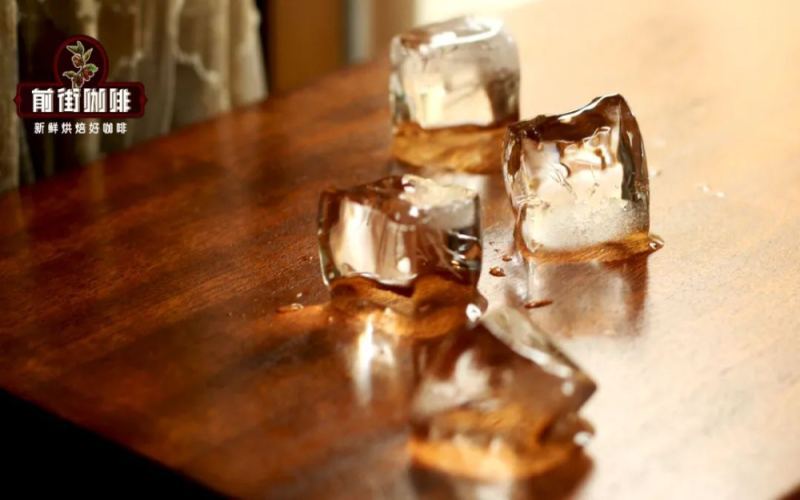
A Complete Guide to Cooling Methods for Iced Pour-Over Coffee: A Comparison of Ice-Bath Cooling, Direct Ice Addition, and Pour-Over-Ice Methods
On a scorching summer day, iced pour-over coffee has become a popular choice in cafés thanks to its refreshing, mellow taste. There are many ways to make iced pour-over, with common methods including placing ice cubes in the lower server first, pouring hot coffee over ice, and the ice-bath cooling method that has become popular in recent years. Different approaches preserve the coffee's flavor to varying degrees, and their ease of operation differs greatly as well. This article takes Front Street Coffee's Emerald Estate Green Label Geisha as an example, using three methods—adding ice directly, pouring over ice, and ice-bath cooling—to brew the same beans, and provides a detailed comparison from the brewing process and cooling efficiency to the final flavor performance, to help you find the summer iced coffee method that suits you best. [more…]
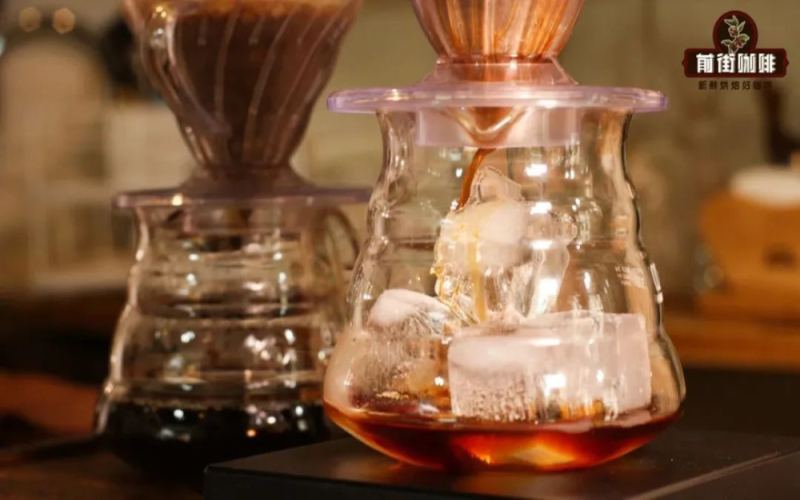
How to Make Iced Pour-Over with Light Roast Beans? Four Cooling Extraction Methods and Flavor Comparison in Practice
As soon as the temperature rises, iced coffee returns to the top of the sales charts. Iced pour-over lets you choose your own beans and comes with a refreshingly cold taste, making it the first choice in hot weather. However, if you simply add ice cubes to a hot pour-over recipe, the concentration gets diluted and it tastes as bland as water. The core problem to solve is: how to maintain a moderate concentration after cooling down. Using Front Street's medium-light roasted Ethiopia Kaffa Forest as an example, we've put together four highly practical iced pour-over methods—high-concentration high-extraction, ice-flushing, stirring, and ice-bath cooling—breaking down the parameters and techniques one by one, and comparing their flavor performances, to help you find the cup that suits you best. [more…]
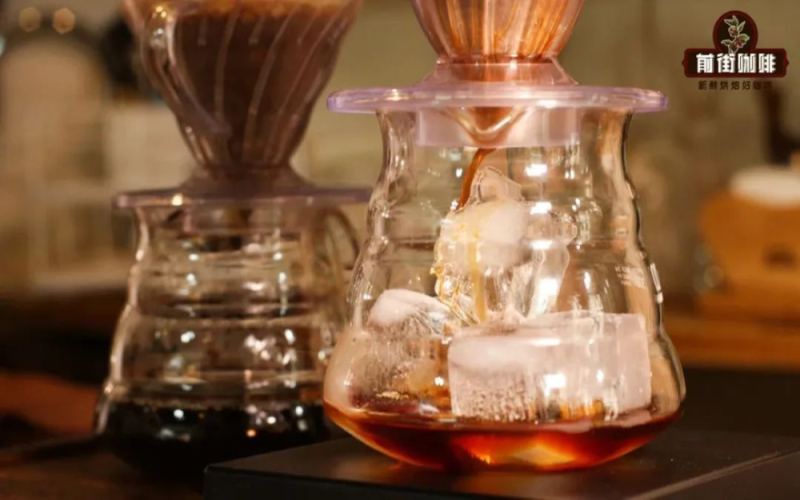
A Detailed Guide to Four Iced Pour-Over Coffee Brewing Methods: From High-Strength High-Extraction to Ice-Chilling Cooling
As temperatures rise, iced coffee returns to the top of the sales charts. Iced pour-over lets you freely choose your favorite beans while offering the sweet, refreshing taste of a chilled brew—making it an excellent way to beat the heat. But the key to making a delicious iced pour-over lies in solving the problem of dilution after cooling. Front Street Coffee has put together four zero-threshold iced pour-over brewing approaches—high-concentration high-extraction, ice rinsing, the stirring method, and ice-bath cooling—each with detailed parameters and step-by-step instructions, demonstrated using a light-to-medium roast Ethiopian Kafa Forest as an example. No matter what equipment you have on hand or what size your ice cubes are, you'll find a method that suits you. [more…]

Is It Feasible to Use Dry Ice Instead of Ice Cubes for Iced Pour-Over? A Comprehensive Analysis of Cooling Methods for Pour-Over Coffee
Iced pour-over coffee needs rapid cooling, but ordinary ice cubes melt and dilute the coffee's strength. Some friends suggested using non-melting stainless steel ice cubes, but that attempt failed; then someone else recommended dry ice, which cools quickly and doesn't cause dilution. Dry ice can indeed chill coffee rapidly without turning into water, but when it sublimates it releases carbon dioxide, which dissolves into the coffee and turns a cup of iced pour-over into carbonated coffee—essentially deviating from what's wanted. This article provides a detailed analysis of dry ice's physical properties, its everyday uses, and why it's unsuitable for making pour-over coffee, along with Front Street Coffee's key points from their dry ice experiments and a recommended bean list. [more…]
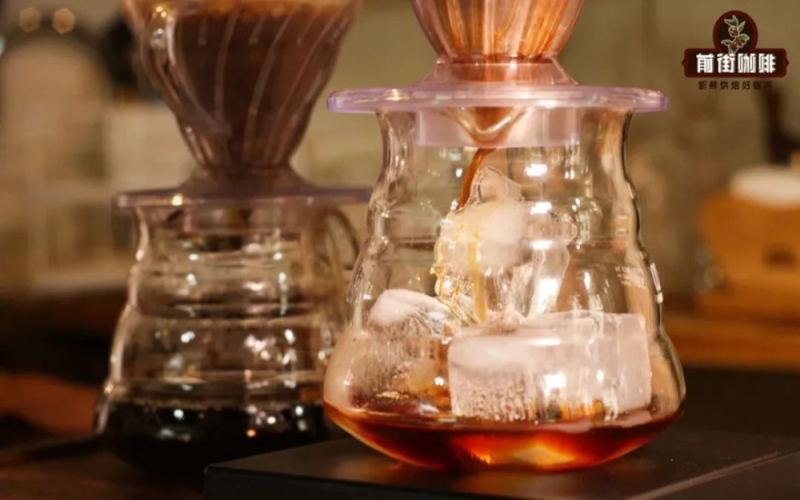
How to Make Delicious Iced Pour-Over Coffee: Four Practical Brewing Methods and Detailed Parameters
When the weather turns hot, iced coffee becomes the first choice for many people. Iced pour-over preserves the flavor layers of pour-over coffee while adding a refreshing chill, but making a good iced pour-over isn't as simple as adding ice cubes to hot pour-over. Melting ice dilutes the coffee's strength, and directly applying hot-brew parameters often results in a weak glass of iced coffee water. This article centers on the two cores of extraction yield and strength, and compiles four zero-threshold iced pour-over methods: the high-strength high-extraction method, the ice-rinsing method, the stirring method, and the ice-bath cooling method. Each method comes with specific parameters and operating steps using a medium-light roast Front Street Coffee Kafa Forest as an example, helping you easily make a full-flavored, sweet-and-sour balanced iced pour-over at home. [more…]
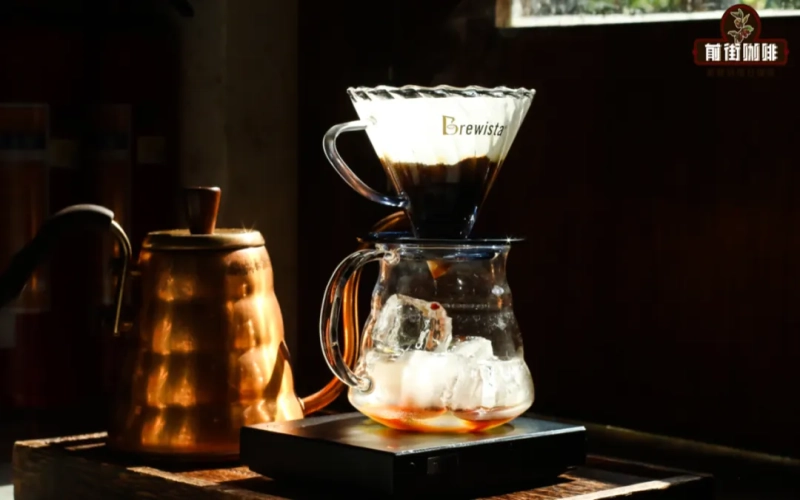
An Analysis of the Price Difference Between Iced and Hot Coffee, and the Complete Method for Japanese-Style Iced Pour-Over
Why is iced coffee often more expensive than hot coffee? Drawing on Front Street Coffee's production experience, this article sorts out two core questions about iced pour-over coffee: how to determine the coffee-to-water-to-ice ratio, and what difference adding ice first versus adding ice later makes. It also introduces the types of coffee beans suitable for making iced pour-over and gives Front Street's specific recommended products, including Yirgacheffe G1, Huakui, Cherry Tomato, Butterfly, Xizhua, and Strawberry Candy. The article also explains the need to adjust the grind size, as well as two alternative cooling methods—the over-ice method and the ice-bath cooling method—making it a useful reference for coffee enthusiasts to put into practice. [more…]

How to determine the ice amount and coffee-to-water ratio for iced pour-over coffee? Recommended beans suitable for making iced coffee
On a hot day, a glass of iced pour-over coffee is refreshing and invigorating. However, many people encounter two core questions when making it at home: how much coffee-to-water ratio and how much ice should be used? Does adding ice first versus adding ice later affect the flavor? This article addresses these two questions, first discussing the types of coffee beans suitable for iced pour-over and Front Street Coffee's specific bean list, then explaining in detail the reference ratios of coffee, water, and ice, as well as the subtle differences in taste between adding ice first and adding ice later. Finally, it supplements two rapid cooling methods that do not dilute the concentration, helping you make a cup of iced coffee that has both aroma and refreshingness. [more…]
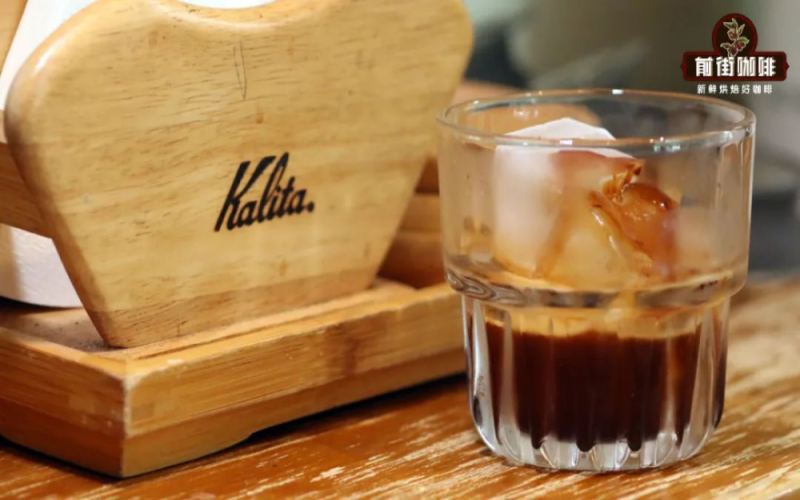
Black Coffee Brewing Methods | Which Tastes Better: Full-Ice Americano or Iced Americano? How Can Coffee Beginners Make a Waterless Iced Americano?
“Hey handsome! One iced americano, and make it the kind without water.” This was a request a barista at Front Street Coffee once received. Although Front Street has quite a few secret menu items (such as Flat White and Dirty), hearing this request still caught them a little off guard. [more…]
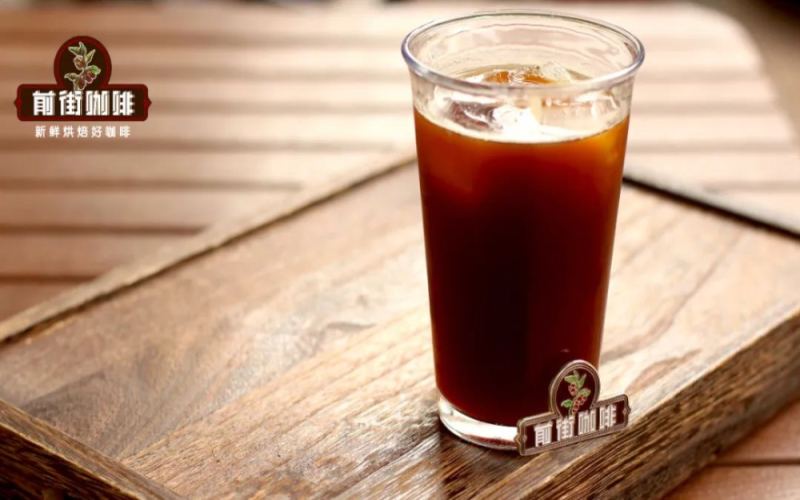
The Art of Adding Ice in Iced Coffee Making: A Full Analysis of Cooling, Aroma Locking, and Ratio Techniques
Whether iced coffee tastes good often hinges on the step of adding ice. Ice is not just a cooling tool; it also locks in aroma and maintains a cold mouthfeel. How much ice to add, what kind of ice to choose, and how to ratio different coffees—these questions trouble many enthusiasts. Drawing on Front Street Coffee's practical experience, this article first explains the three major functions of ice in coffee, then analyzes the differences between solid and hollow ice, and between large and small ice, and finally provides specific ice-adding plans for iced Americano, iced latte, iced pour-over, and cold brew/ice drip, helping you make consistently delicious iced coffee at home. [more…]
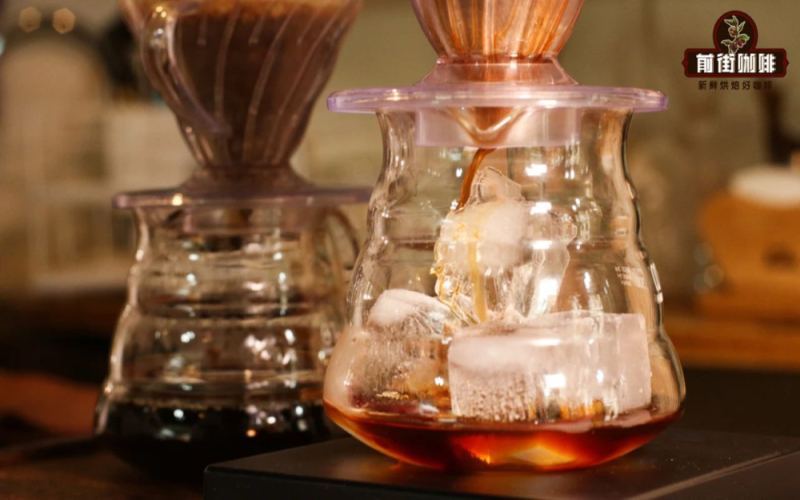
Iced Pour-Over Coffee Recipe and Practical Comparison: How a 15g Dose Ratio and Ice Addition Order Affect Flavor
Iced pour-over coffee has gained popularity among many enthusiasts in recent years, but the details during brewing often determine the final flavor direction. Front Street Coffee uses 15 grams of coffee grounds and a 1:10 coffee-to-water ratio as the foundation, paired with 100 grams of ice for cooling and dilution, and conducts a side-by-side comparison experiment on the two methods of adding ice first versus adding ice later. This article fully presents the experimental parameters, brewing process, and sensory differences, while also sharing the flavor performance of the Kafa Forest Ethiopian washed bean, helping readers understand the specific effects of ice addition timing on coffee cleanliness, aroma intensity, and mouthfeel changes, providing reference adjustment ideas for daily brewing. [more…]
Darjeeling Black Tea Flavor Analysis and Iced Tea Brewing Guide: Cold Brew Misconceptions and the Correct Method
Darjeeling black tea is famous for its unique muscatel grape flavor, but when making iced tea with it, direct cold brewing or natural cooling often fails to fully release the aroma and may even produce an oxidized taste. Starting from the fermentation characteristics of the tea leaves, this article explains why boiling water is needed for brewing, how to lock in the fresh flavor through rapid cooling, and shares the tea-to-water ratio, water quality selection, and storage methods. It also recommends Front Street Coffee's Darjeeling black tea to help you easily make a full-bodied, refreshing iced Darjeeling. [more…]
What Are the Differences Between Ice Drip, Cold Brew, and Iced Pour-Over Coffee? A Full Breakdown of Three Iced Coffee Brewing Methods and Their Flavor Characteristics
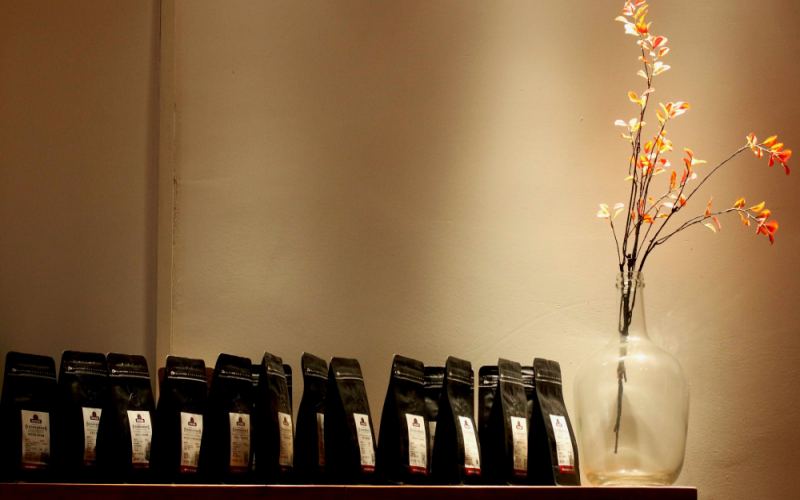
As the scorching summer approaches, a glass of icy coffee always gives people a refreshing boost. But when you walk into a café to order, can you really tell the difference between ice drip, cold brew, and iced pour-over? Although all three cold coffees are refreshing and cooling, they each have their own characteristics in extraction principles, flavor profiles, and production details. Ice drip coffee uses ice water for long, slow dripping, producing a clean taste with fermented aromas; cold brew coffee relies on low-temperature steeping, yielding a balanced, mellow flavor; iced pour-over, on the other hand, is based on hot extraction with ice added for cooling, highlighting a crisp and bright character. This article will start with the concept of extraction, then break down one by one the production methods, suitable bean types, and flavor differences of the three iced coffees, answer common questions about caffeine content, and share Front Street Coffee's practical recipes. [more…]

Coffee Brewing Water Blending, Paragon Ice Ball, and Tasting Cup Stacking Effect Test: Front Street Coffee Huakui Blind Test Comparison
When brewing coffee, water quality, cooling methods, and tasting cup types are often treated as independent variables, but can combining all three lead to more significant sensory improvements? Front Street Coffee designed a controlled experiment using Huakui beans as samples: one group used regular mountain spring water, no ice ball, and a standard espresso cup, while the other used a custom water concentrate, a Paragon ice ball, and an aromatic tasting cup, with completely identical brewing parameters. Through concentration measurements and blind tasting, the actual contributions of these tools at different stages were verified. This article documents in detail the TDS control of the custom water concentrate, the cooling mechanism of the Paragon ice ball, and the aroma-concentrating effect of the tasting cup, and invited colleagues and customers to participate in a blind selection. The final results were highly consistent, providing coffee enthusiasts with a reproducible reference for combined techniques. [more…]

Fuzhou Outdoor Coffee Festival Hit by Extreme Heat, Vendors and Visitors Alike Say the Experience Was Greatly Diminished
Over the past weekend, a large outdoor coffee market in Fuzhou attracted hundreds of brands, but temperatures of over 30 degrees Celsius, even approaching 40 degrees, turned what was meant to be a relaxing coffee gathering into something far less pleasant. Although the organizers adjusted the event hours to the evening and took some cooling measures, the temperature difference between the inner and outer areas was stark. Vendors in the outer area felt as if they were trapped in a steamer, while visitors complained repeatedly about unclear signage and insufficient lighting. When holding outdoor events in extreme weather, there is clearly still considerable room for improvement in heatstroke prevention plans and on-site management. [more…]

How to Choose the Water Temperature for Pour-Over Coffee? A Side-by-Side Test of 90°C vs. 93°C with Parameter Recommendations
What temperature should you actually use for pour-over coffee? Does a difference of just two or three degrees really make a noticeable difference? Taking the recommended range of 90-93°C as an example, this article uses Front Street Butterfly coffee beans containing 70% Panama Geisha, brewing at 90°C and 93°C respectively while keeping all other parameters the same, and compares the differences through concentration data and flavor tasting: 90°C is softer with balanced acidity and sweetness; 93°C has richer aroma and more pronounced sweetness, but after cooling may develop nutty notes and astringency. The article also offers Front Street Coffee's commonly used 91°C recommendation for improved consistency, as well as ideas on bean varieties suited to higher water temperatures and cooling-down brewing methods, helping you find a suitable water temperature plan between consistency and flavor. [more…]
What's the Difference Between Americano and Pour-Over Coffee? A Breakdown of Four Iced Coffee Brewing Methods and Flavor Differences
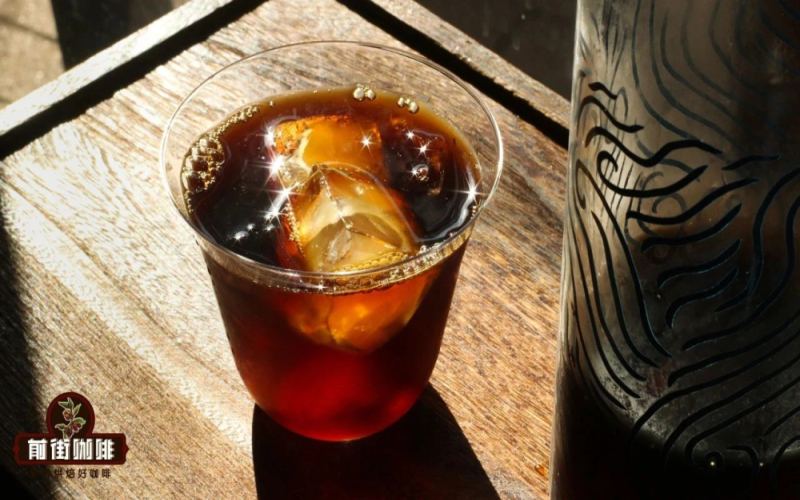
On a scorching summer day, a glass of iced coffee is an excellent choice for cooling off. However, there are many types of iced coffee—iced pour-over, ice drip, cold brew, and iced americano each have their own merits, and many coffee enthusiasts often can't tell the differences between them. This article will introduce the brewing principles and flavor characteristics of these four iced coffees one by one: iced pour-over preserves a clean and refreshing taste by reducing the amount of water and adding ice to cool it down; ice drip uses ice water for long, slow dripping to bring out fermented notes and a sweet aroma; cold brew uses low-temperature immersion to obtain a balanced and mellow coffee liquid; iced americano mixes espresso with ice water, presenting a rich flavor like dark cocoa. It will also share Front Street Coffee's specific parameters and recommended beans for making various iced coffees, helping you easily recreate them at home. [more…]
How to Make an Iced Americano Without Water? Key Points and Flavor Advantages of the All-Ice Espresso
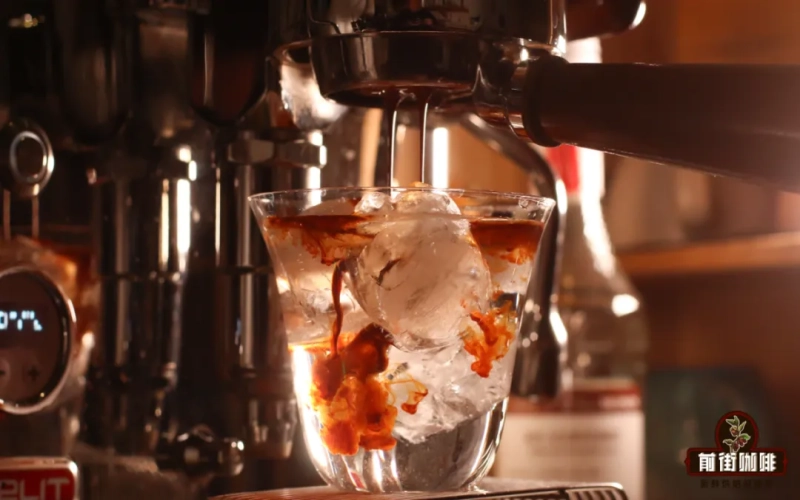
Ordering an iced Americano with extra ice and no water has become increasingly common in coffee circles in recent years. It is not simply equivalent to drinking espresso directly; rather, through the collision of ice cubes with hot espresso, it produces a cup of iced coffee with higher concentration, lower bitterness, and more fully preserved aroma. This article will start from the basic composition of an Americano, explain the difference between a water-free iced Americano and a regular iced Americano, and detail the order of production, the principle of extraction cooling, and practical techniques such as shaking to cool down, helping you make a better-tasting all-ice Americano. [more…]
Japanese Iced Pour-Over Ratio | How Do You Make Iced Pour-Over Coffee? For Iced Pour-Over Coffee, Do You Put the Ice in First or Add It Later? How Do You Describe the Flavor and Mouthfeel Characteristics of Iced Pour-Over?
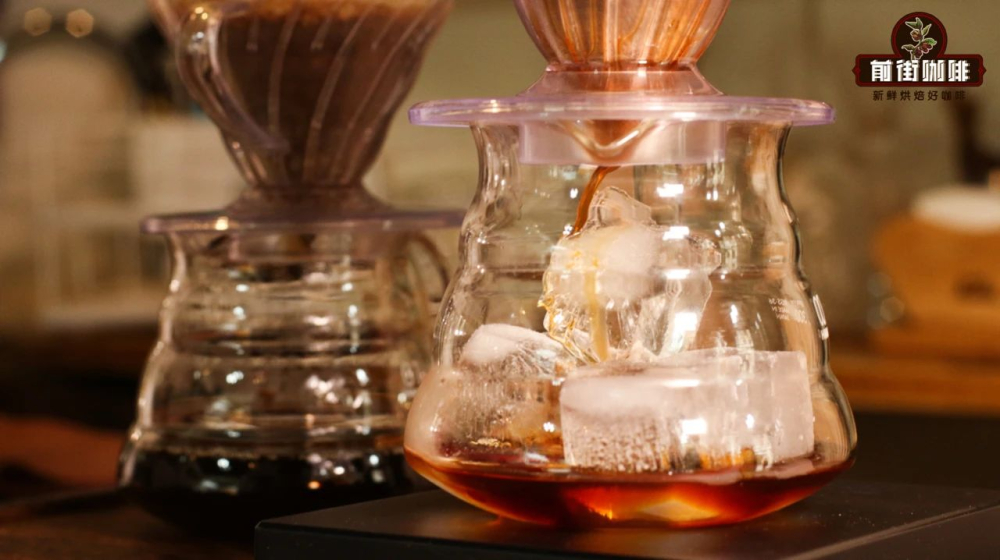
To drink iced coffee, is cold brew the only option? Not at all!! There are many ways to make iced coffee, such as Japanese-style iced coffee. Today, I'll share with you how to make a cup of Japanese-style iced coffee. A few days ago, a customer asked, "How do you brew your iced pour-over coffee? Is there a difference between adding ice first and adding ice later?" This [more…]
Guide to Applying for a Roasted Coffee Production License: A Complete Interpretation of Review Requirements from Raw Material Processing to Factory Inspection
For enterprises engaged in coffee bean roasting production, obtaining a food production license is a prerequisite for lawful operation. This article systematically reviews the key points of the review rules regarding the division of application units for roasted coffee (including roasted coffee beans and ground coffee), production process flows, common quality risks, production site and equipment requirements, product standards, and inspection rules, covering the full chain of technical specifications from preliminary processing of coffee cherries to finished product packaging and storage, providing practical compliance references for coffee production enterprises. Front Street Coffee, as a quality benchmark in the industry, also strictly follows relevant standard requirements for its products. [more…]

Iced Pour-Over Coffee Parameters Explained: A Complete Guide to Coffee-Water-Ice Ratios, Grind Adjustment, and Pouring Rhythm
The biggest difference between iced pour-over and regular hot pour-over is the introduction of ice as a variable. Ice does not participate in the extraction, so it is necessary to rebalance the grind size, coffee-to-water ratio, and pouring technique. Through brewing practice with multiple beans, Front Street Coffee has summarized an easy-to-control approach of a 1:10–1:12 coffee-to-water ratio and a 1:5 coffee-to-ice ratio. Taking 15 grams of coffee as an example, that means 150 grams of water and 75 grams of ice. The grind size needs to be adjusted finer to compensate for the shortened extraction time. When pouring, reduce the flow rate and increase the number of pours, keeping the total time between 1 minute 40 seconds and 1 minute 50 seconds. In terms of bean selection, light-to-medium roasted flavor-focused coffees better showcase the refreshing quality of iced brewing, while dark-roasted beans tend to produce a thinner mouthfeel and reduced balance. [more…]